2026
Premiered 03.19.2026
Anabel Taylor Chapel
Cornell University
Ithaca, NY
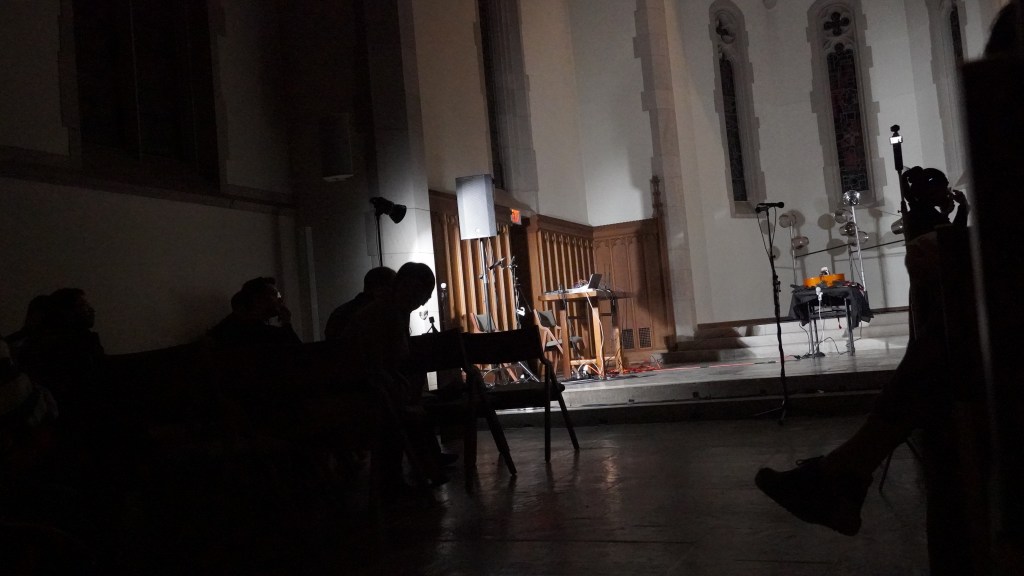
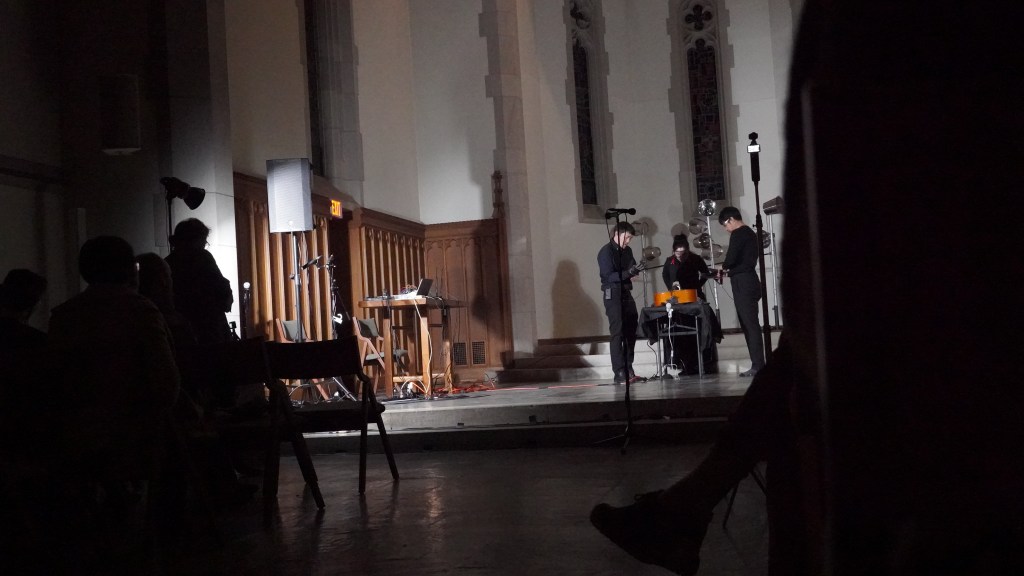
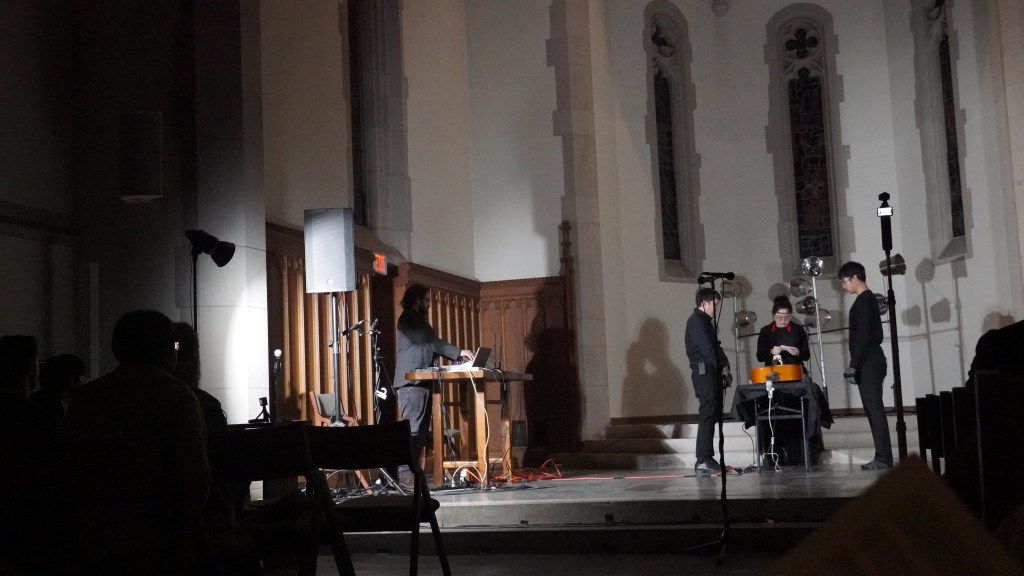
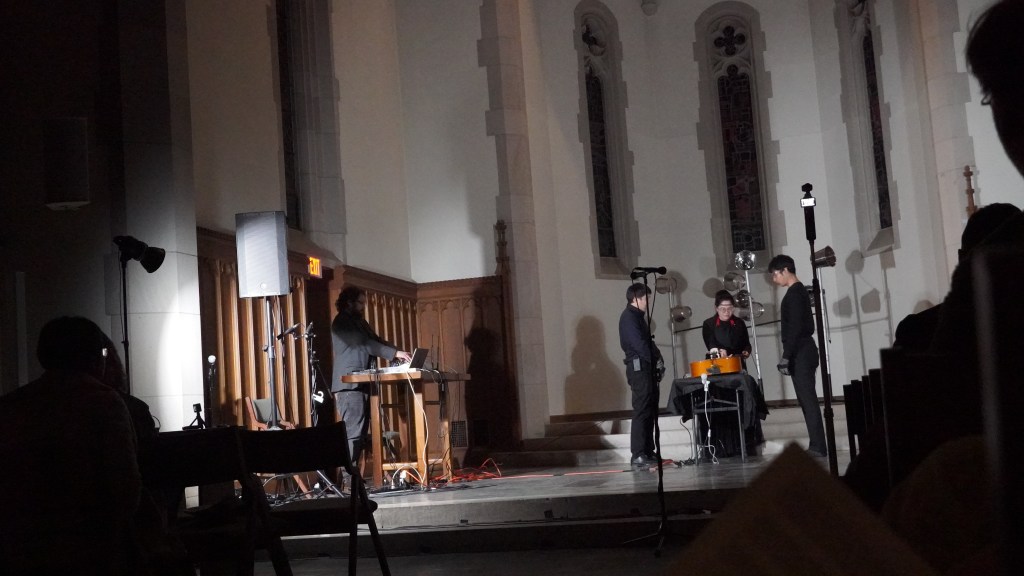
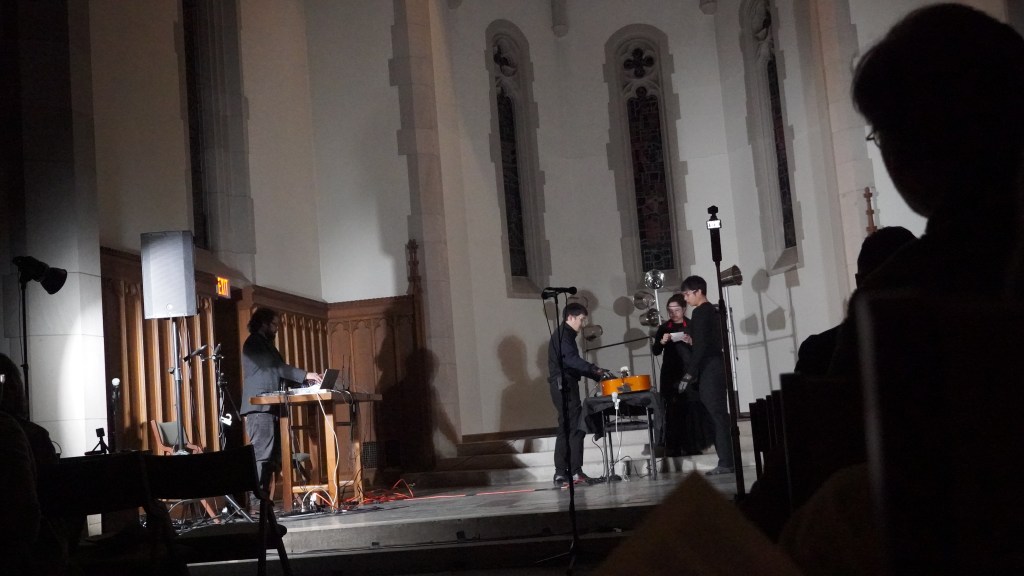
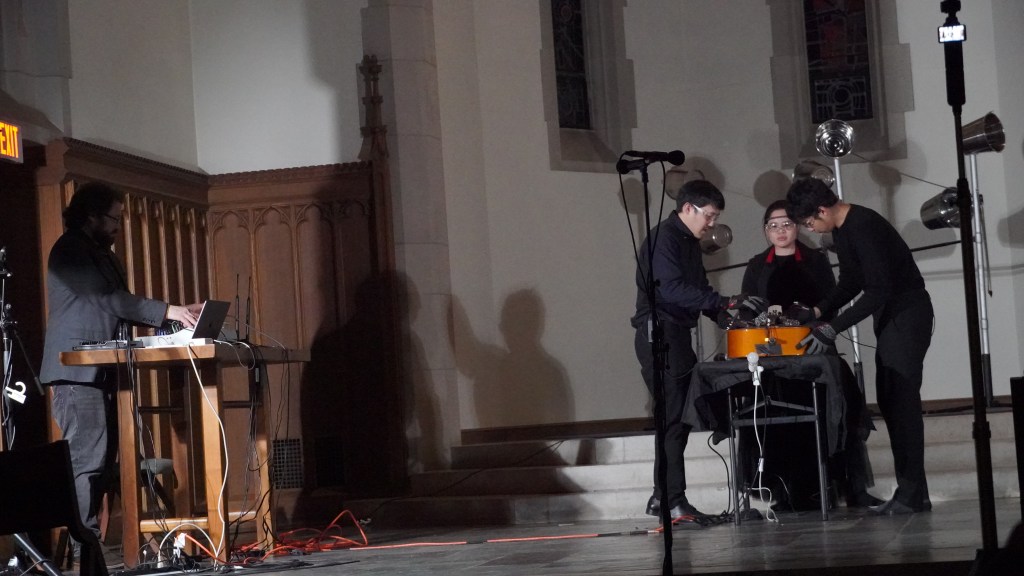
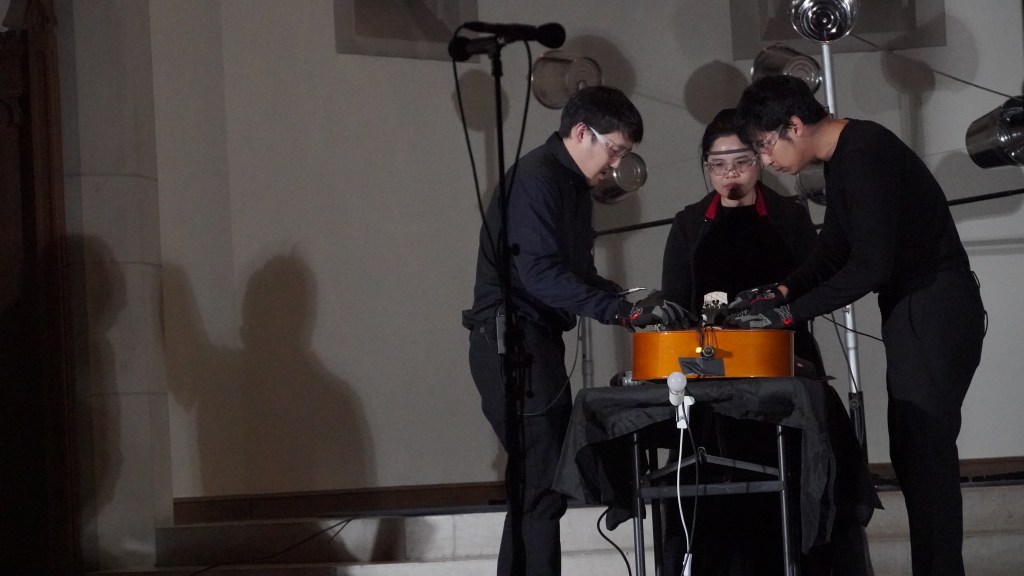
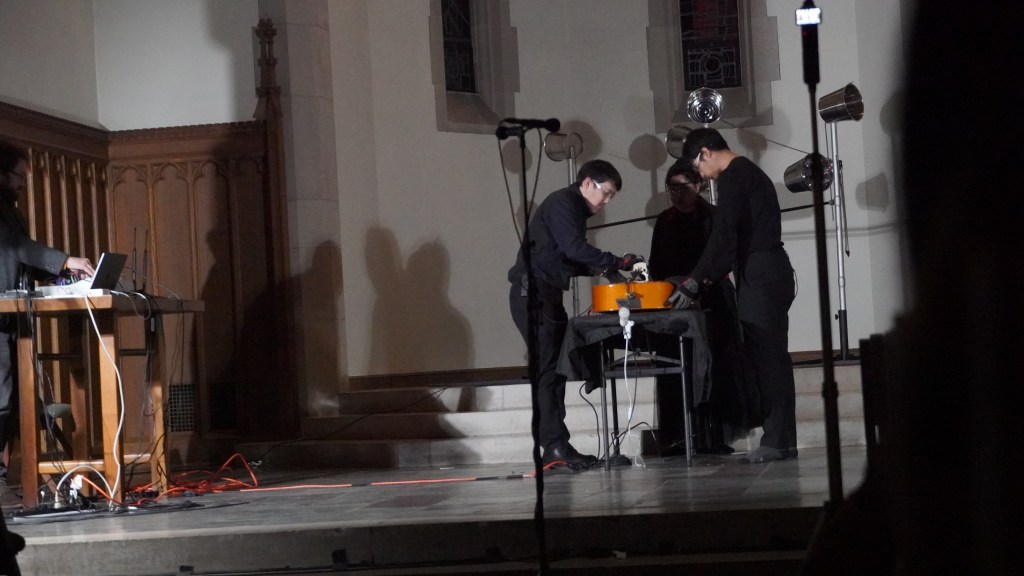
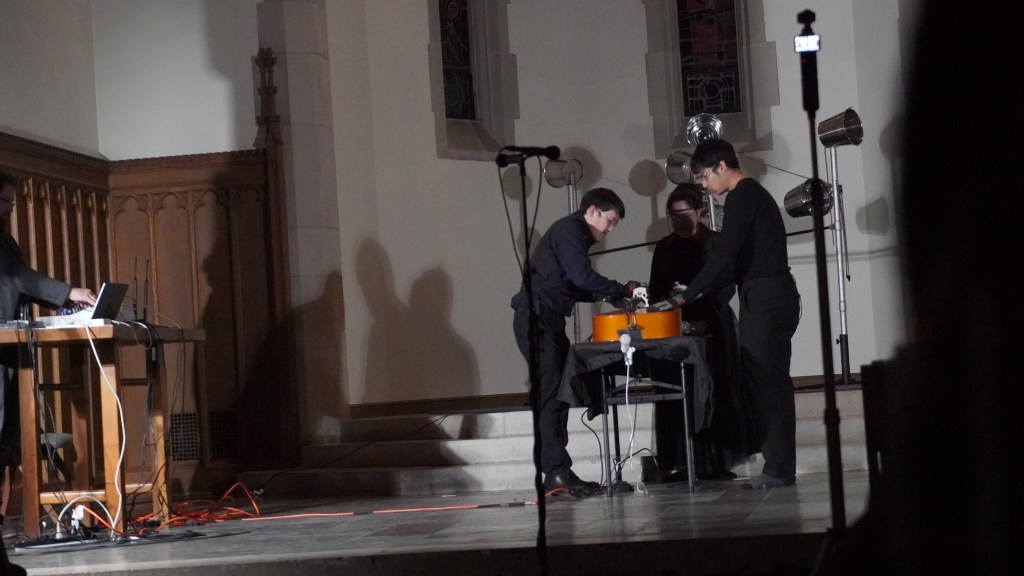
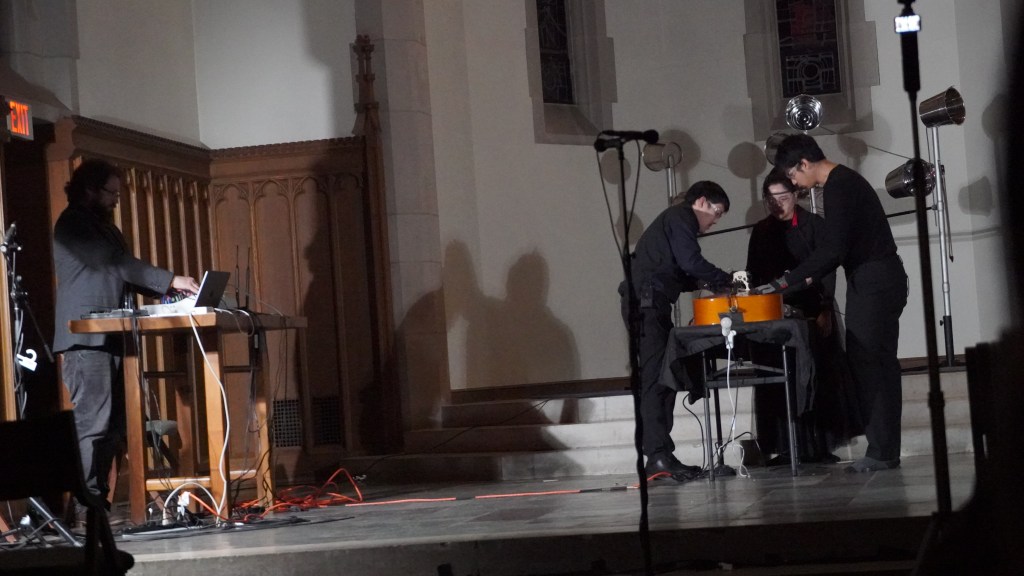
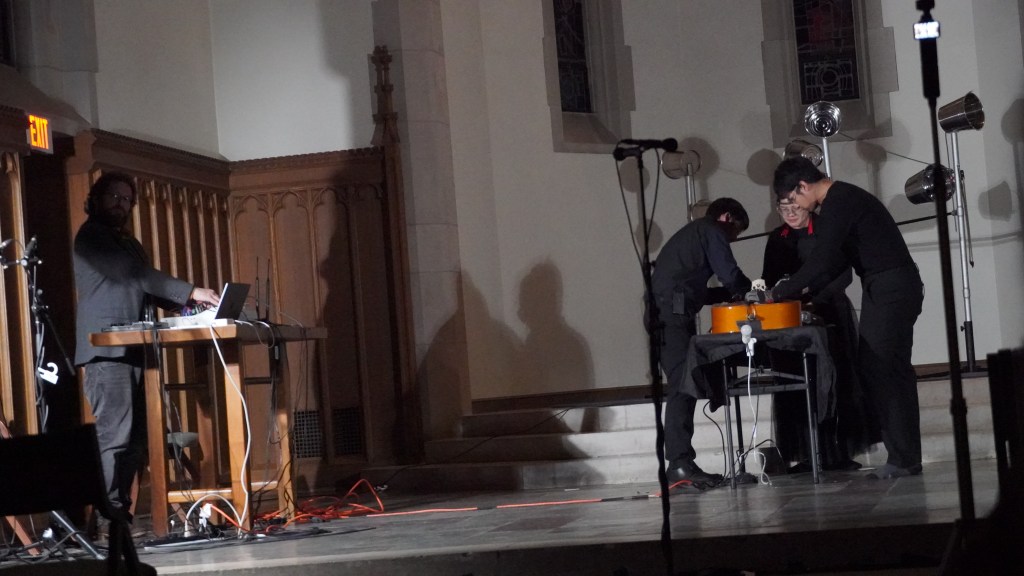
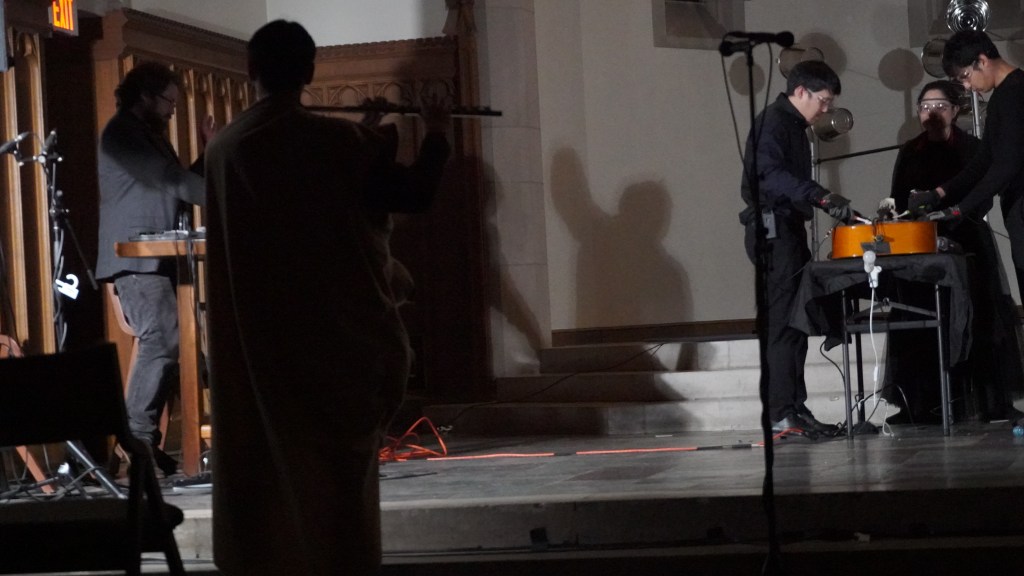
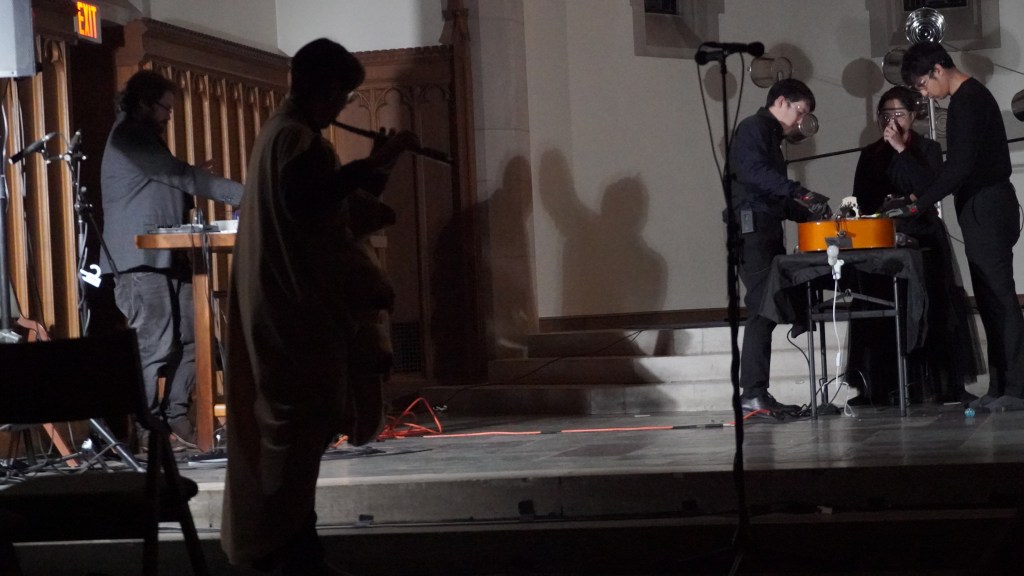
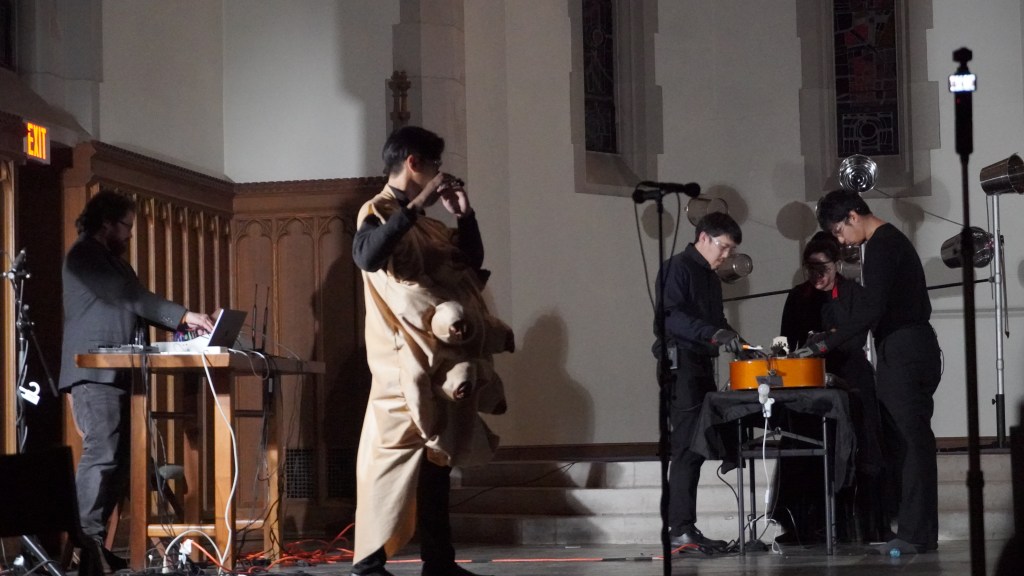
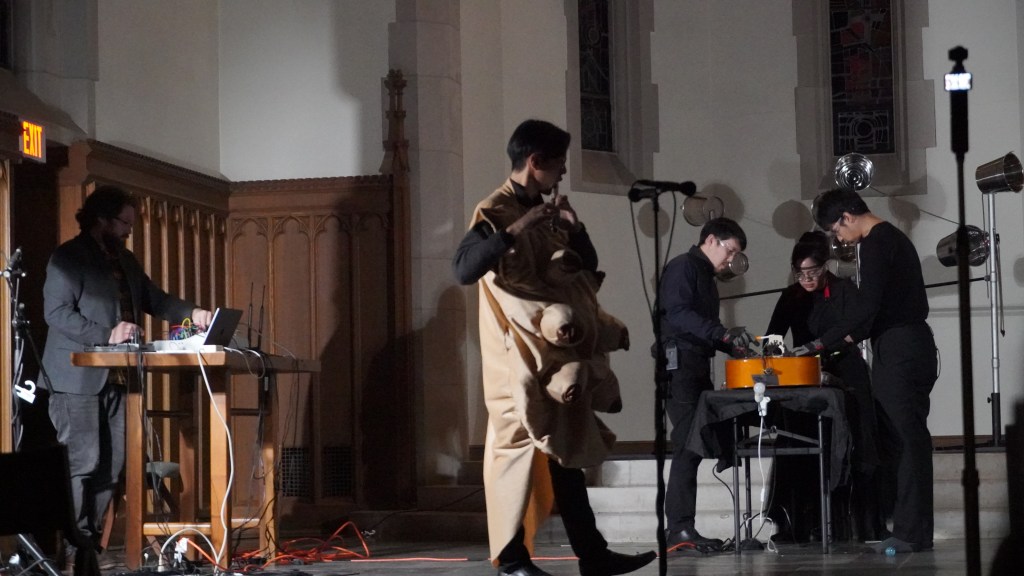
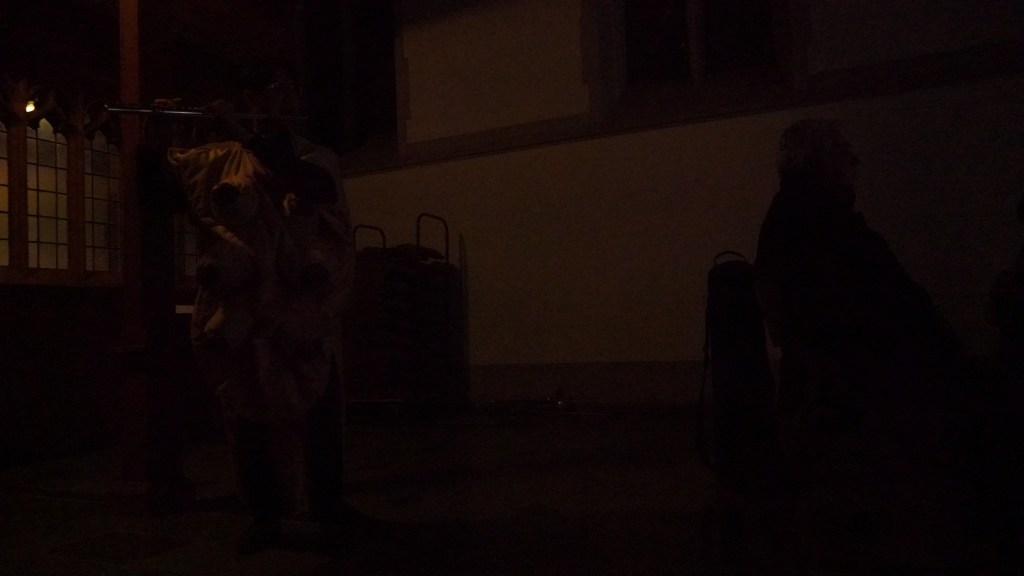
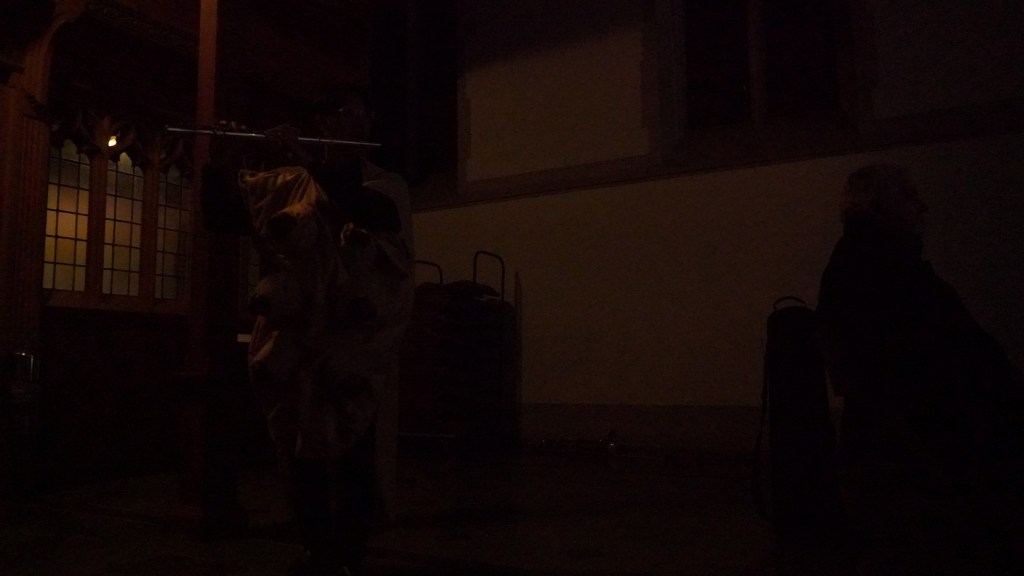
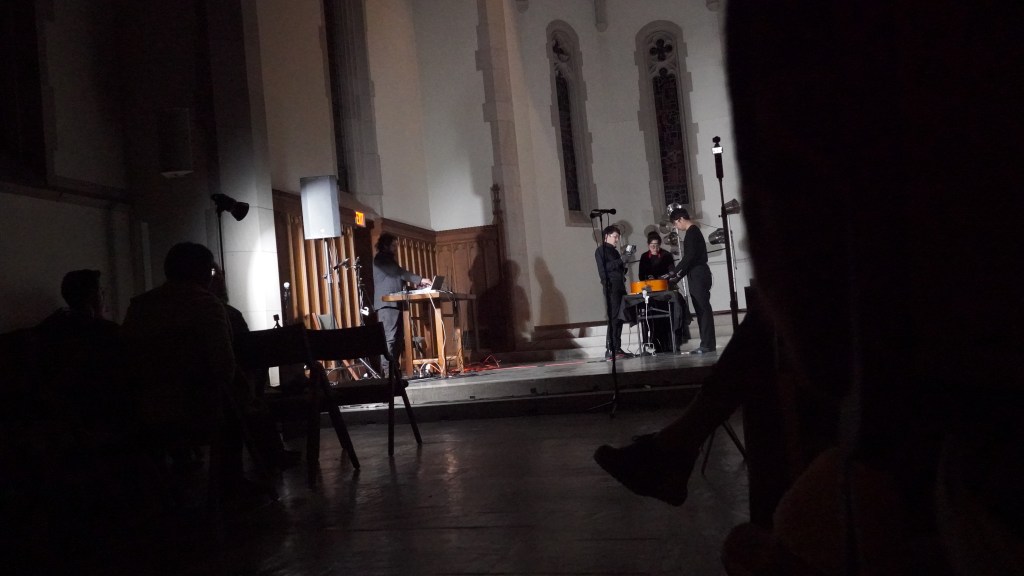
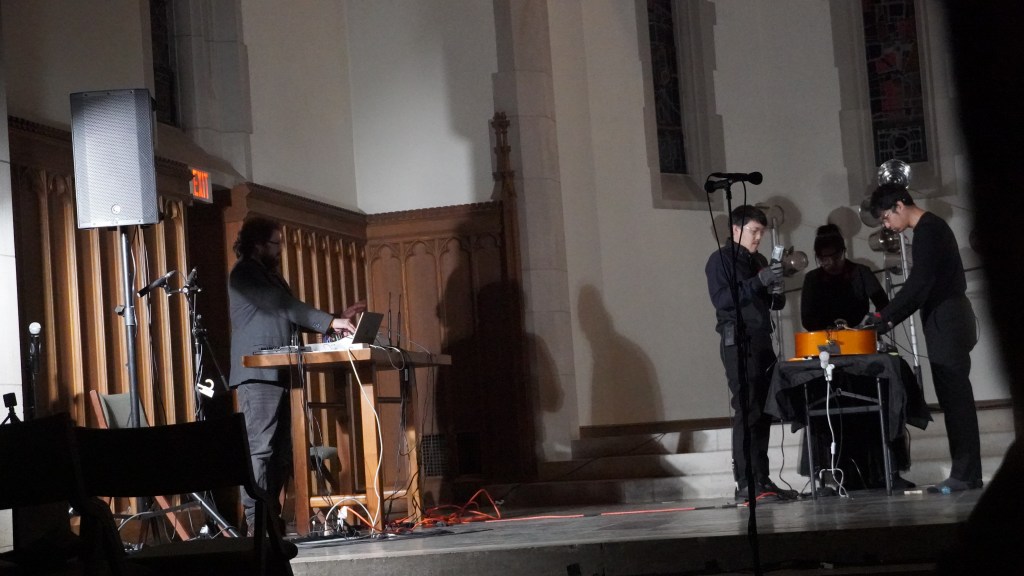
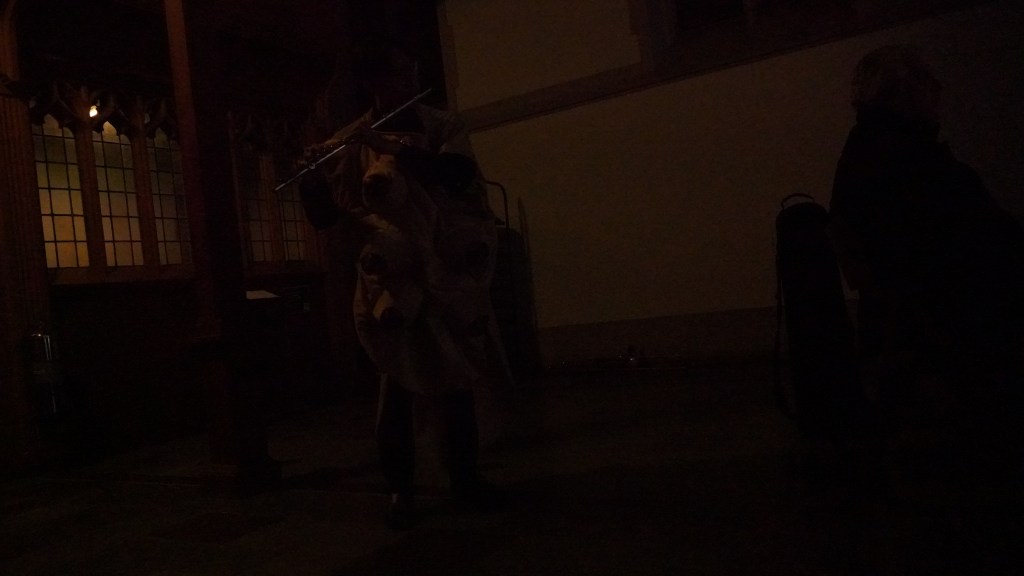
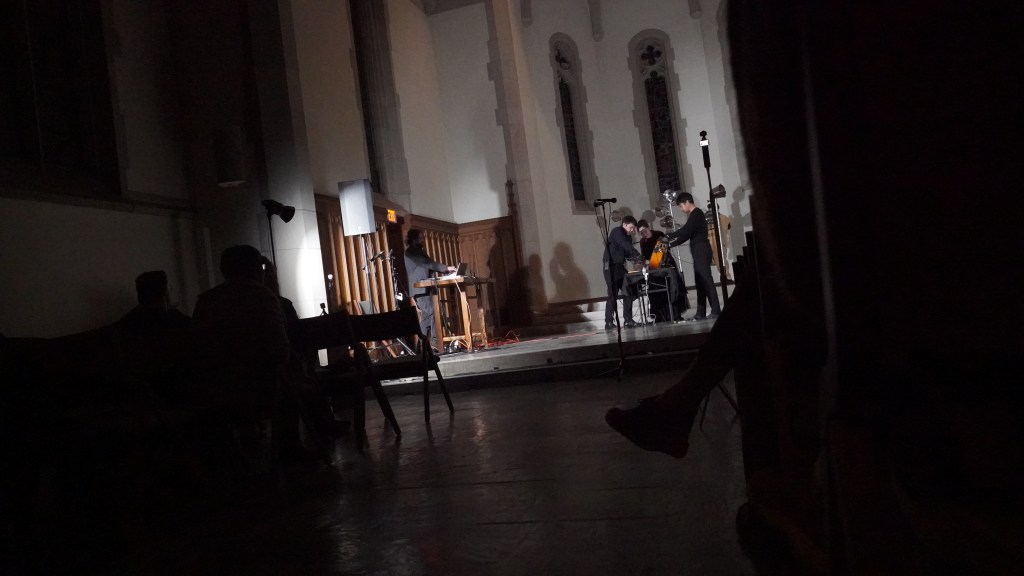
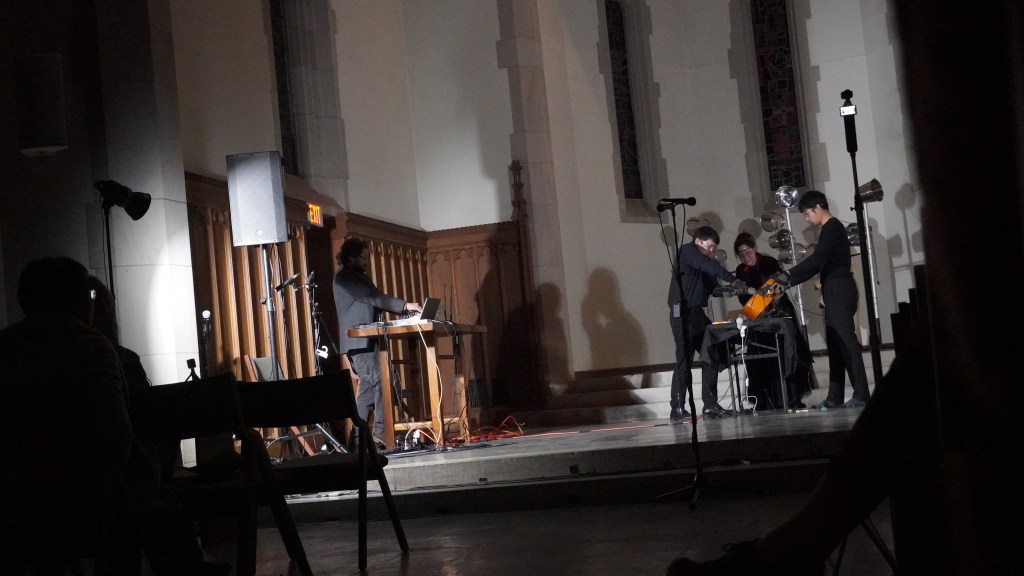
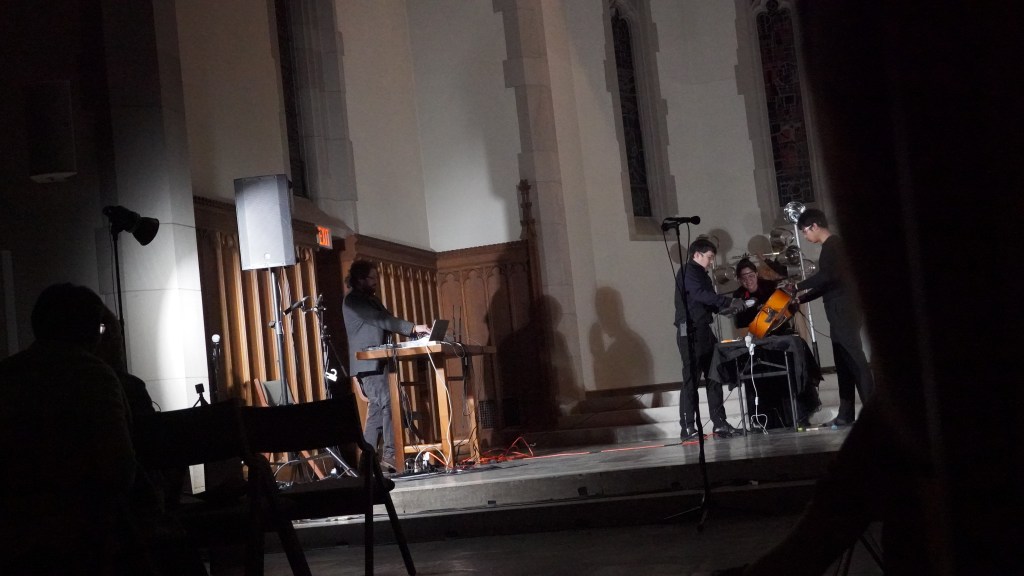
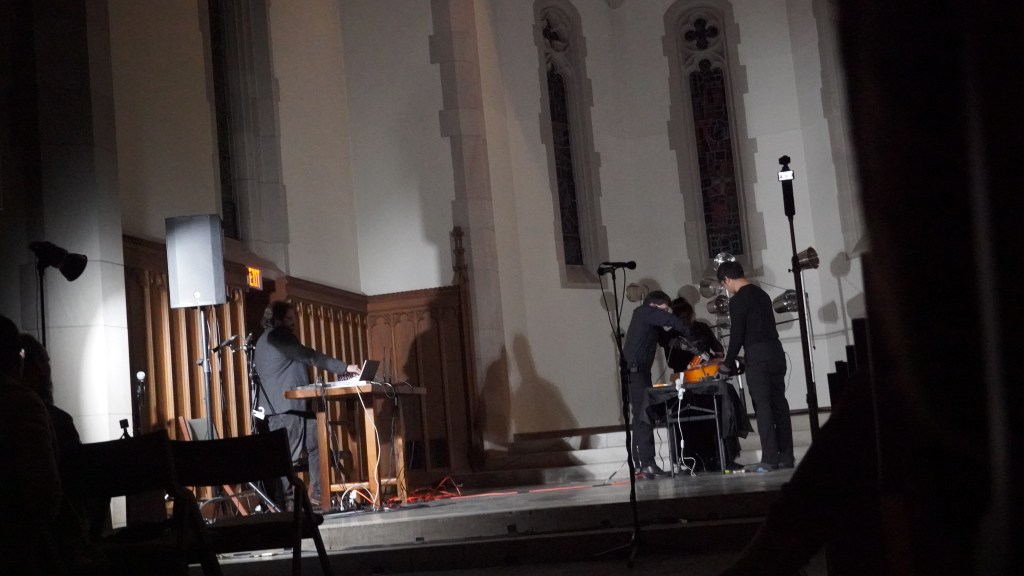
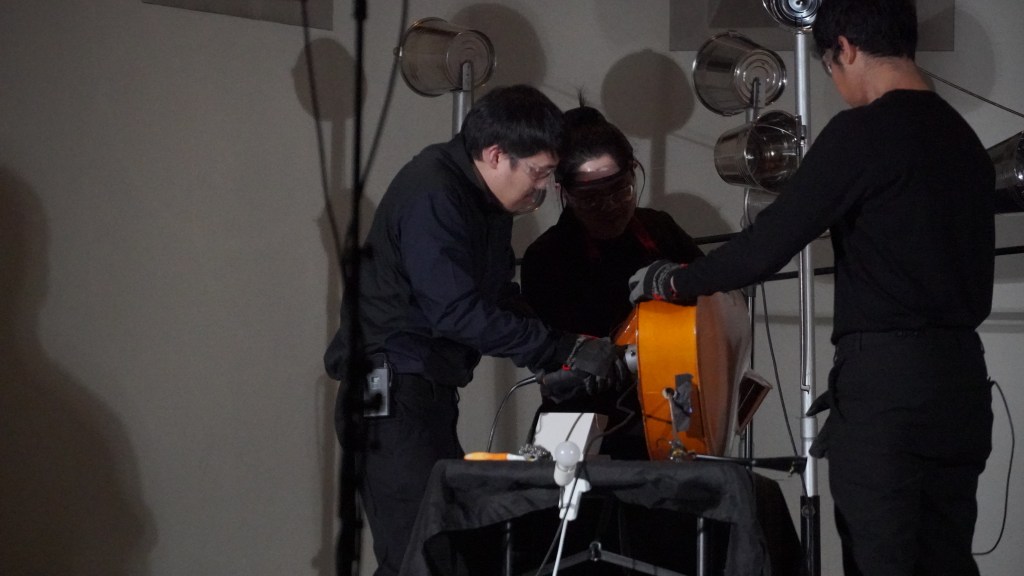
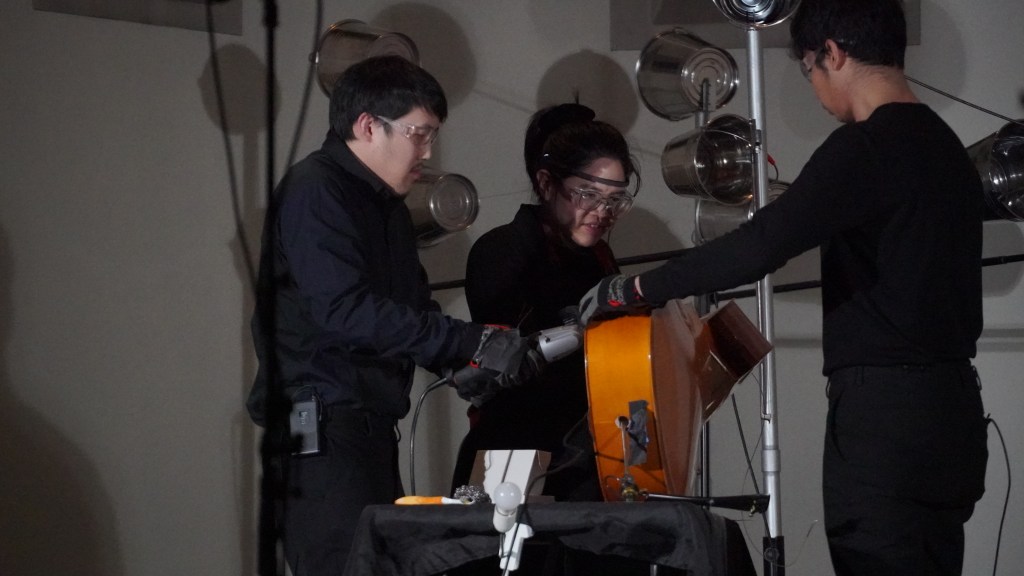
Biometric Composition for Ensemble (2026) With this piece, my third with Tacet(i), I find myself building on previous themes in a fashion that leaves me wondering if this is a separate composition or an iteration of a larger, collaborative work. As with previous installations, the primary objectives of this piece concern notions of autonomy, identity, and interactivity with regard to group, external and technological dynamics. Returning once again is a decentralized, prompt-based score derived from previous works as well as new additions serving as an “expansion pack” inspired by the tabletop card games of my youth. Also returning is brainwave-informed machine learning software that reconstructs sampled motifs and gestures in accordance with the performers’ reactions to the score, the subsequent reconstructed recordings and themselves. New for this iteration will be sensor-embedded, wearable interfaces developed with Paulina Velazquez Solis and designed to inhibit performance, introducing a quantifiable element of struggle into the piece. With this addition, it is our intention to explore the musical potential of wearable technology, as well as a collective, whole-body cybernetic approach to composition – while adhering to an egalitarian structure in which the performers, composers, and technological elements all contribute equally to the outcome of the piece.
Performed by Tacet(i) Ensemble:
Patumwan Piensub
Siravith Kongbandalsuk
Kantika Comenaphatt
Sakda Prachumchana
Performance Instructions for March 19, 2026:
4 performers are organized into three groups:
2 Performers
1 Conductor
1 Soloist
The composer will also be a part of this piece but will mostly be responsible for processing, sound reinforcement and electronics.
An amplified instrument will be placed on a table as if it were a sacrificial alter. Under the instruction of the conductor, the two performers are encouraged to explore the extended sounds of this instrument, primarily through friction using a variety of preparations to assist in these explorations. Included among these will be sandpaper, steel wool, electric toothbrushes, etc. Each performer will wear a gloves with embedded contact microphones connected to wireless transmitters. The resultant sounds and vibrations collected by these gloves will be fed into an array of electronics (primarily two switched capacitor filters and two 8-second analog delays) that will further process these sounds. Performers are encouraged to explore the full sonic potential of this instrument, ideally without invoking any traditional sounds from it.
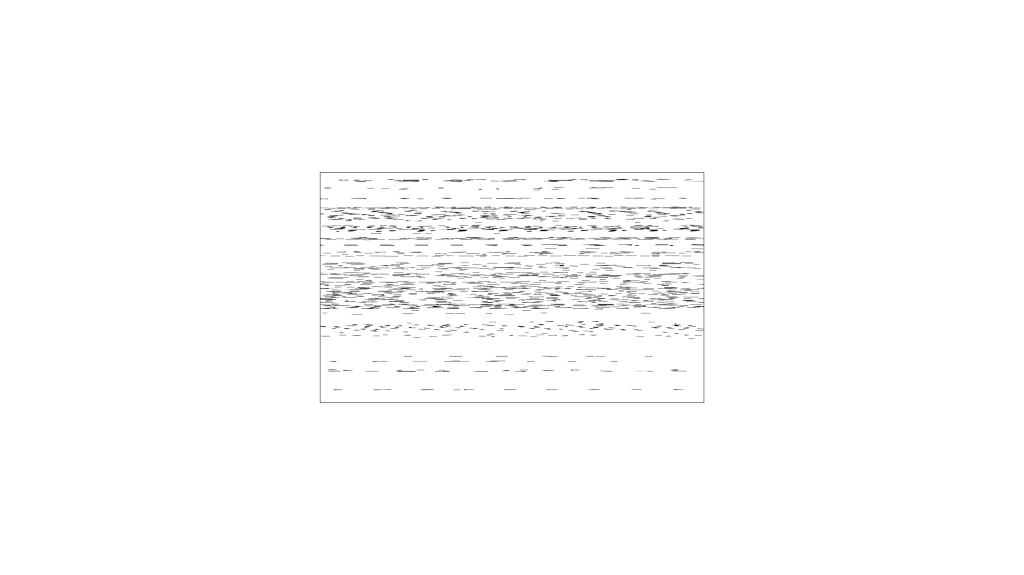
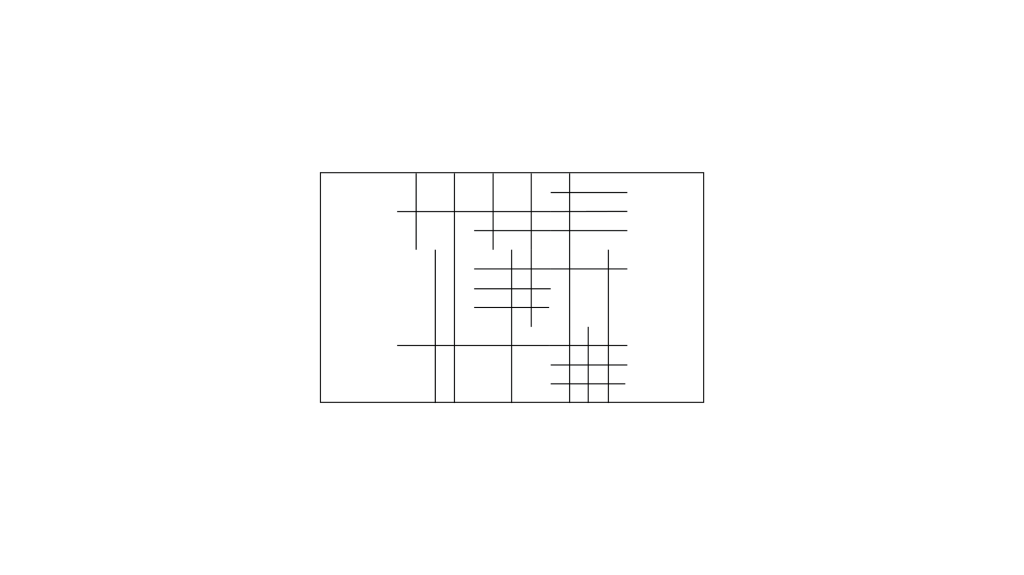
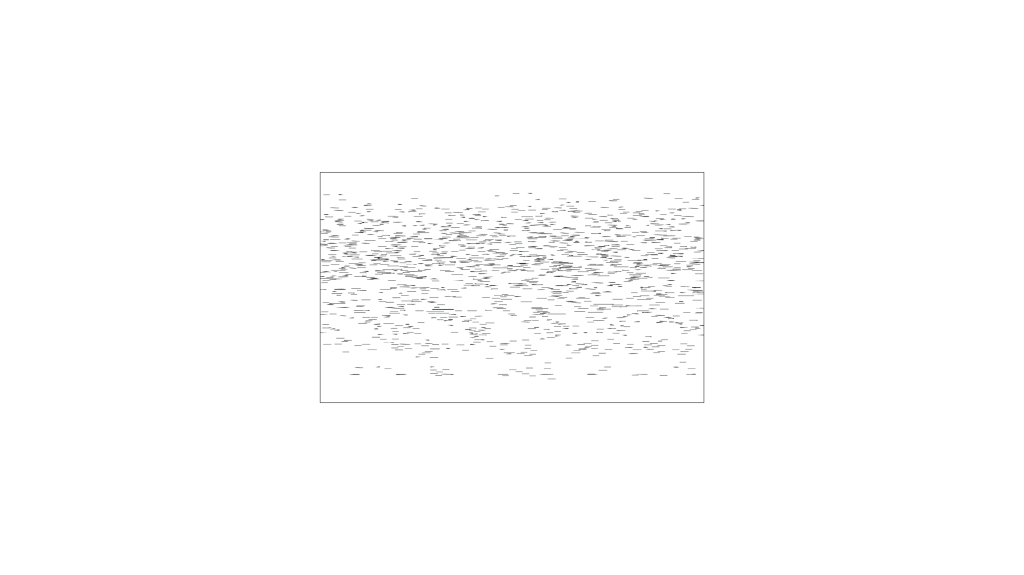
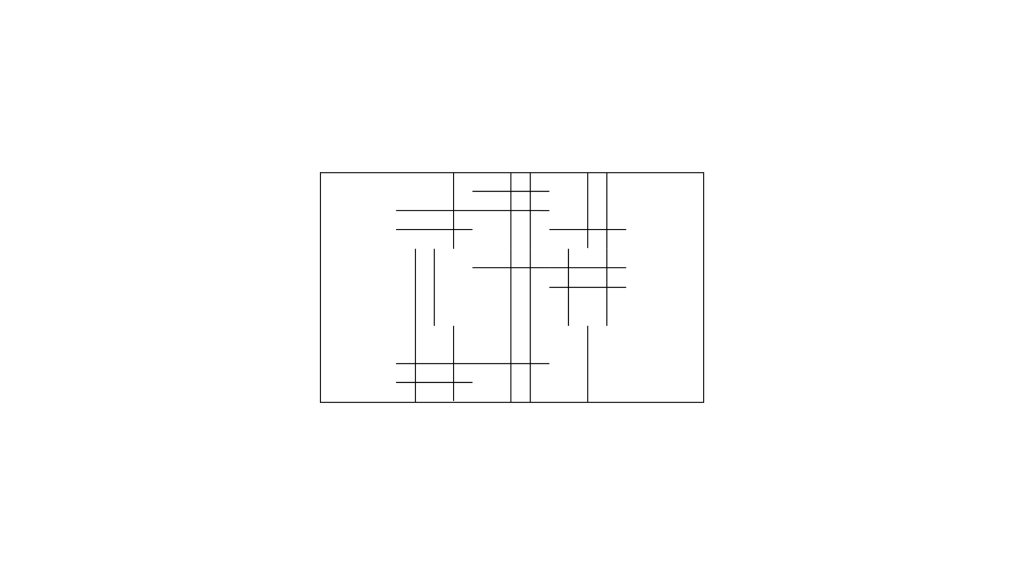
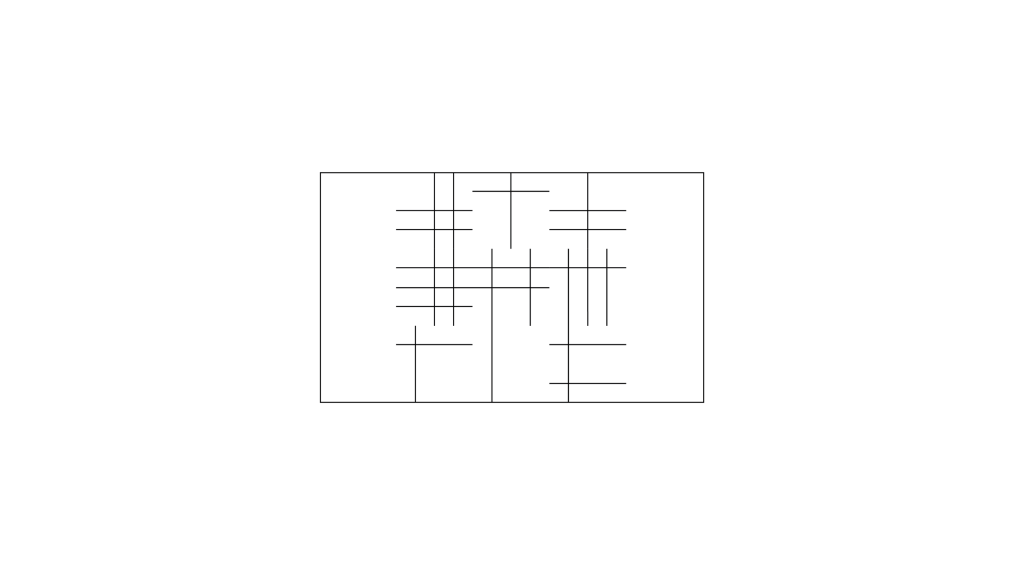
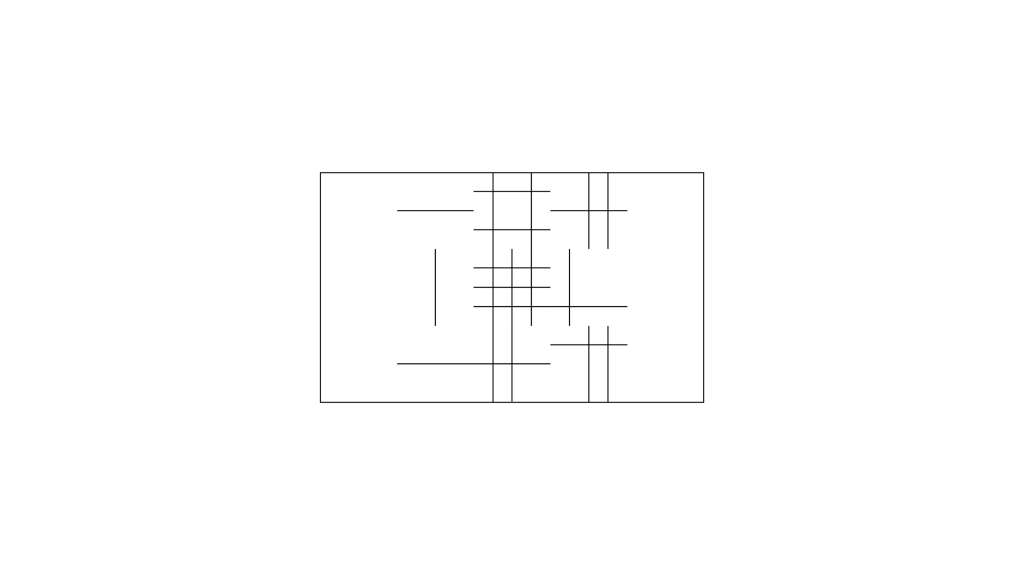
It is the role of the conductor to stabilize the instrument and direct both the performers and the soloist. Four sets of cards are provided to help guide the performance. Use them as you will. The conductor will wear a brainwave monitor connected to machine learning software that will record and resynthesize the sounds from the amplified instrument, providing a counterpoint to the sounds created by the performers and the soloist. It is our intention to explore the sonic potential of concentration, flow and anxiety as a driving force that will guide outcome of this piece.
The soloist will be wearing a restrictive interface embedded with sensors that will be transmitting on a wireless LAN. While encouraged to follow the direction of the conductor, full compliance is not required. The sensor readings will be transmitted to Max/MSP and converted to control voltage that will be used to further process the sounds created by the performers. Outside of sound reinforcement, the soloist’s instrument will not be processed.
While not required for the successful performance of this piece, it is highly encouraged to end the performance by using tunable oscillating saws to surgically destroy the instrument.











 Hypermetacontextual